Key Takeaways
- Shutting off the water is the single most important first step — know where your main valve is now.
- Photograph and video the damage before you clean up; it's what your insurer will ask for.
- Call rather than fill out a form during an active leak — you get live guidance and faster dispatch.
- Start drying within 24–48 hours to stay ahead of mold.
A plumbing emergency moves fast. A burst supply line can push hundreds of gallons into your home in an hour, and a sewage backup becomes a health hazard the moment it surfaces. What you do in the first few minutes — before any plumber arrives — often matters more than anything else. Here is the exact sequence we walk Euless homeowners through when they call, and it is worth knowing before you ever need it.
1. Shut off the water — nearest valve first, then the main
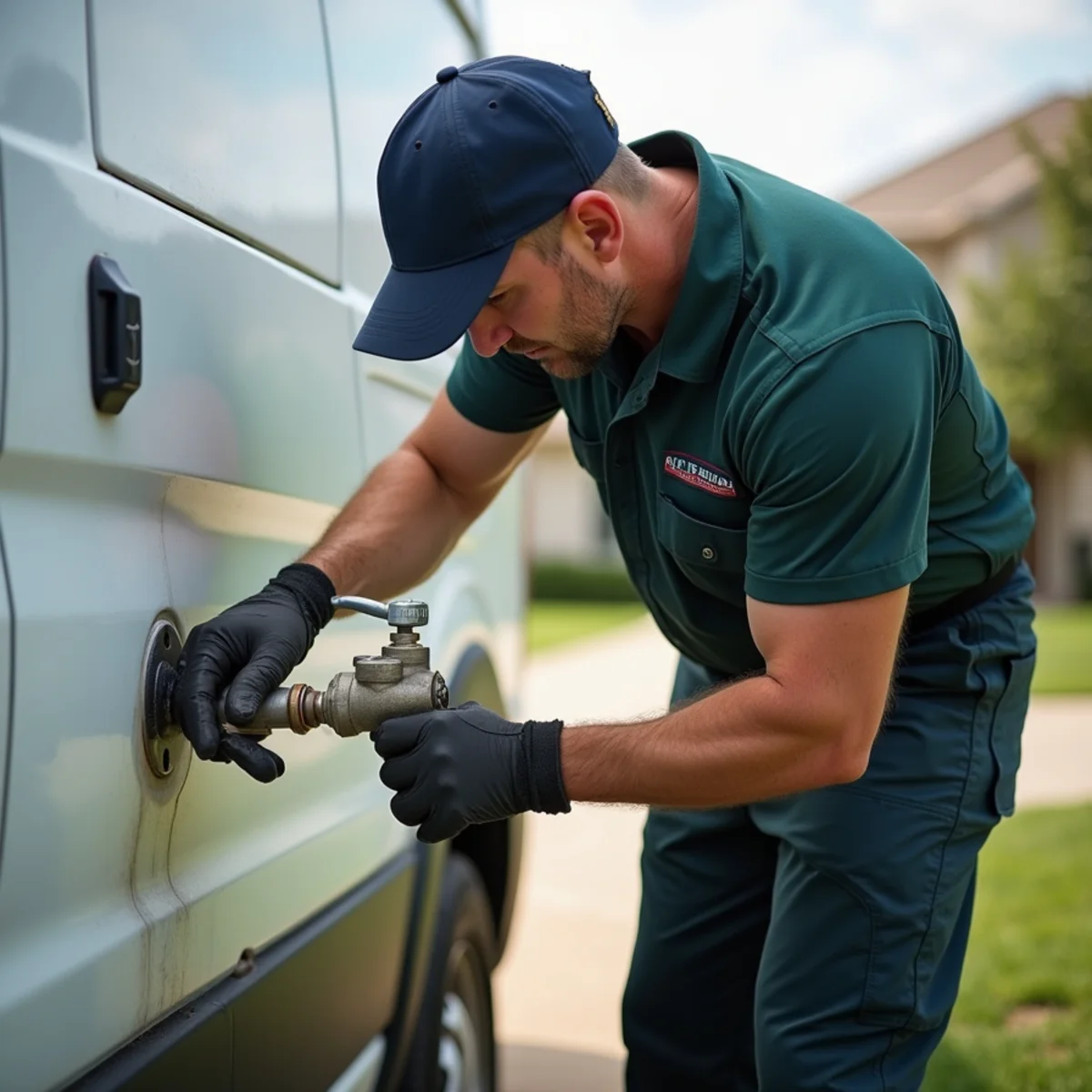
Stopping the water is the single most important step. If the leak is at a toilet, sink, or water heater, close the shut-off valve right at that fixture. If that does not stop the flow, or you cannot reach it, go to your home's main shut-off valve and close it. In most Euless homes the main is near the front hose bib, in the garage, or at the meter box near the street. Find it now, while everything is calm — you do not want to be hunting for it ankle-deep in water.
Not sure where yours is? Our guide on finding your water shut-off valve walks you through locating and testing it in five minutes.
2. Kill the power to affected areas
Water and electricity are a deadly combination. If water is near outlets, appliances, or your electrical panel, do not wade into it. Shut off power to the affected area at the breaker only if you can reach the panel without stepping into standing water. If you cannot reach it safely, stay clear and tell us when you call — never risk electrocution to save belongings.
3. Contain and protect what you can
Once the water is off and the area is electrically safe, limit the spread. Move furniture, rugs, and valuables out of the water. Put down towels or a wet-vac if you have one. For a ceiling bulging with trapped water, place a bucket underneath and — only if safe — poke a small drain hole to relieve it before it collapses across the whole ceiling.
4. Document everything before you clean up
Before you mop up, photograph and video the source of the leak, the standing water, and every affected room and material. Capture meter readings if relevant. This documentation is exactly what your insurer will want, and cleaning up first can weaken your claim. Preserve any failed part — a burst hose, a cracked fitting — when it is safe to do so.
5. Call a professional plumber — and start drying
Call us at (831) 290-4327. During an active leak, backup, or gas smell, always phone rather than filling out a form so we can guide you live and dispatch immediately. Then start drying: the EPA recommends drying water-damaged areas within 24 to 48 hours to prevent mold. Open windows, run fans, and pull up soaked materials where you can. If the flooding is significant, our flood and water damage cleanup team handles extraction and drying alongside the repair.
Know the difference: emergency vs. can-wait
Not every problem needs a 2 a.m. call. Shut off the water and call immediately for a burst or gushing pipe, a sewage backup, a gas smell, or a water heater flooding the garage. A single slow drain or a dripping faucet can wait for a scheduled visit. When in doubt, call — we will tell you honestly whether it can hold until morning.
Euless's older housing and expansive clay soil make certain emergencies more common here — slab leaks, cast-iron sewer backups, and winter pipe bursts. Whatever the cause, our emergency plumbing service answers live 24/7 and targets arrival under 45 minutes across the Mid-Cities.
From the Field
What 15 Years of Emergency Calls Taught Us
The homeowners who come through an emergency with the least damage almost always have one thing in common: they knew where their main shut-off was before the pipe ever failed. The ones facing the biggest repair bills usually spent ten or fifteen minutes hunting for the valve while water poured into the walls. That gap is the difference between a fan-and-a-few-boards repair and a full drywall-and-flooring rebuild. Take five minutes this week to find yours, turn it off and back on to confirm it works, and show everyone in the house.
The second pattern we see is people cleaning up too fast. It's a natural instinct, but wiping everything down before you document it can weaken an insurance claim and hide the evidence a plumber needs to find the real cause. Get the photos and video first — the source, the standing water, the affected rooms and materials, and the water meter if it's moving. Then, and only then, start moving belongings and drying out. That order costs you nothing and protects you twice.
Frequently Asked Questions
Should I call or fill out a form in an emergency?
Always call. During an active leak, sewage backup, or gas smell, a phone call lets us guide you through safety steps in real time and dispatch a plumber immediately, rather than waiting on a form response.
How long do I have before water damage becomes mold?
The EPA recommends drying water-damaged areas within 24 to 48 hours to prevent mold growth. The faster you extract water and start drying, the more of your home and belongings can be saved.
What counts as a real plumbing emergency versus something that can wait?
Shut off the water and call immediately for a burst or gushing pipe, a sewage backup, a gas smell, or a water heater flooding the space it sits in. A single slow drain, a dripping faucet, or one running toilet can safely wait for a scheduled visit. When you're unsure, call — we'll tell you honestly whether it can hold until morning.
Have a plumbing question or problem?
Our Euless plumbers answer live, 24/7.