Key Takeaways
- Fixture valves stop one appliance; the main valve stops the whole house.
- In Euless, the main is often near the front hose bib, in the garage, or at the meter.
- Test the valve now — unused valves seize and fail when you finally need them.
- Show every adult in the home where it is and how to operate it.
When a pipe bursts, the difference between a mopped-up mess and a flooded home is often measured in minutes — the minutes it takes to shut off the water. And the worst time to learn where your shut-off valve is, or that it is stuck, is while water is pouring through your ceiling. Five minutes today can save you thousands later. Here is how to find and test yours.
You actually have more than one
There are two levels of shut-off in most homes: individual fixture valves and the main valve. Knowing both is valuable.
Fixture shut-off valves
Toilets, sinks, and water heaters have their own small shut-off valves right at the fixture — usually under the sink, behind the toilet near the floor, or on the pipe feeding the water heater. For a leak at one fixture, closing its local valve stops the water without cutting off the whole house. Turn clockwise to close.
The main shut-off valve
This stops water to the entire home and is what you want for a burst pipe or any leak you can't isolate. In Euless homes, look in these common spots:
- Near the front of the house where the main line enters — often in the garage or a utility area
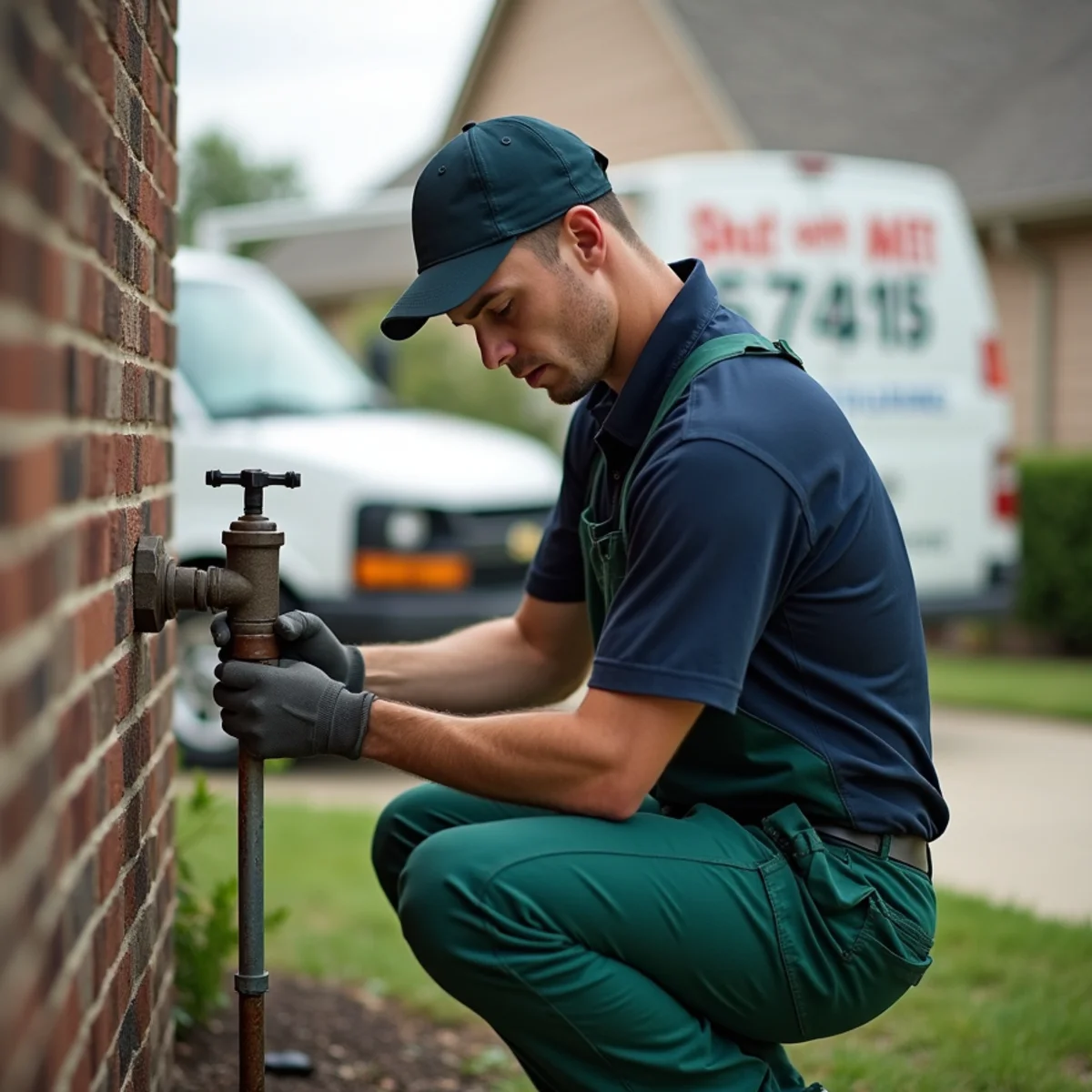
- Outside near the front hose bib, sometimes in a small in-ground box
- At the water meter box near the street or sidewalk (you may need a meter key for the street-side valve)
- In a basement or crawlspace access, if your home has one
How to operate it
There are two common types. A gate valve is a round wheel you turn clockwise (righty-tighty) several full turns to close. A ball valve has a lever handle you turn a quarter-turn until it is perpendicular to the pipe. The meter box at the street typically has a valve that needs a meter key to operate.
Test it today — don't wait
Valves that sit unused for years can seize up or leak when finally turned. Test your main valve now: shut it off, check that water stops at a faucet, then reopen it. If it is hard to turn, won't fully stop the water, or leaks around the stem, have it serviced or replaced before you need it in an emergency. A shut-off that fails during a burst is a nightmare.
Make it easy for everyone
Show every adult in the household where the main valve is and how to operate it. Consider tagging it or keeping a meter key nearby. In an emergency, anyone home should be able to stop the water in seconds. Our emergency plumbing team can help you locate, test, or replace a valve during any visit.
Knowing your shut-off is step one in every plumbing emergency — see our full guide on the first steps to take in a plumbing emergency. And if you need help now, we're a call away at (831) 290-4327, serving Euless and the Mid-Cities 24/7.
From the Field
Why We Ask Every Customer to Test Their Valve
On emergency calls, the shut-off valve is the difference-maker, and the sad truth is that a lot of them don't work when the moment comes. A gate valve — the round-wheel type in older Euless homes — can seize after years of never being turned, or the rubber washer inside fails so it won't fully stop the flow even when closed. Homeowners discover this at the worst possible time, spinning a valve that isn't actually shutting the water off while it pours through the ceiling. That's why we tell people to test it on a calm afternoon, not during a crisis.
Testing is simple: close the main, go check that a faucet runs dry, then reopen it. If it's hard to turn, doesn't fully stop the water, or weeps around the stem afterward, it needs to be serviced or replaced before you rely on it. Many homeowners choose to swap an old gate valve for a quarter-turn ball valve, which is faster and more reliable to operate in an emergency. Either way, the goal is the same — a valve you and everyone in the house can find and close in seconds, with confidence it'll actually stop the water.
Frequently Asked Questions
Where is the main water shut-off valve in most Euless homes?
Commonly near the front of the house where the main line enters — often in the garage or near the front hose bib — or at the water meter box near the street. The street-side meter valve usually needs a meter key to operate.
Why should I test my shut-off valve if it works?
Valves that sit unused for years can seize or leak when you finally need them. Testing now — closing it, confirming water stops, then reopening — ensures it will actually work in an emergency, when you can't afford a stuck valve.
What's the difference between a gate valve and a ball valve?
A gate valve has a round wheel you turn several full turns to close, and it's the type most prone to seizing or leaking with age. A ball valve has a lever handle you turn a quarter-turn until it's perpendicular to the pipe — faster and far more reliable in an emergency. If your main is an old gate valve, upgrading to a ball valve is a small, worthwhile job.
Have a plumbing question or problem?
Our Euless plumbers answer live, 24/7.