Key Takeaways
- Do the one-time prep before winter; do the freeze-day steps when a hard freeze is forecast.
- Insulate exposed pipes, cover hose bibs, and disconnect garden hoses first.
- During a hard freeze, drip exterior-wall faucets and open cabinet doors.
- Know your main shut-off before you need it — bursts happen fast.
Winter Storm Uri in February 2021 burst pipes across the Mid-Cities and left thousands of homes flooded and without water. Every winter since, DFW homeowners have watched the forecast a little more nervously. The good news is that most freeze damage is preventable with a bit of preparation done before the cold arrives — not during it. Here is your checklist.
Before winter: the one-time prep
- 1Insulate exposed pipes. Wrap pipes in the attic, garage, crawlspace, and along exterior walls with foam pipe insulation. These are the lines most likely to freeze.
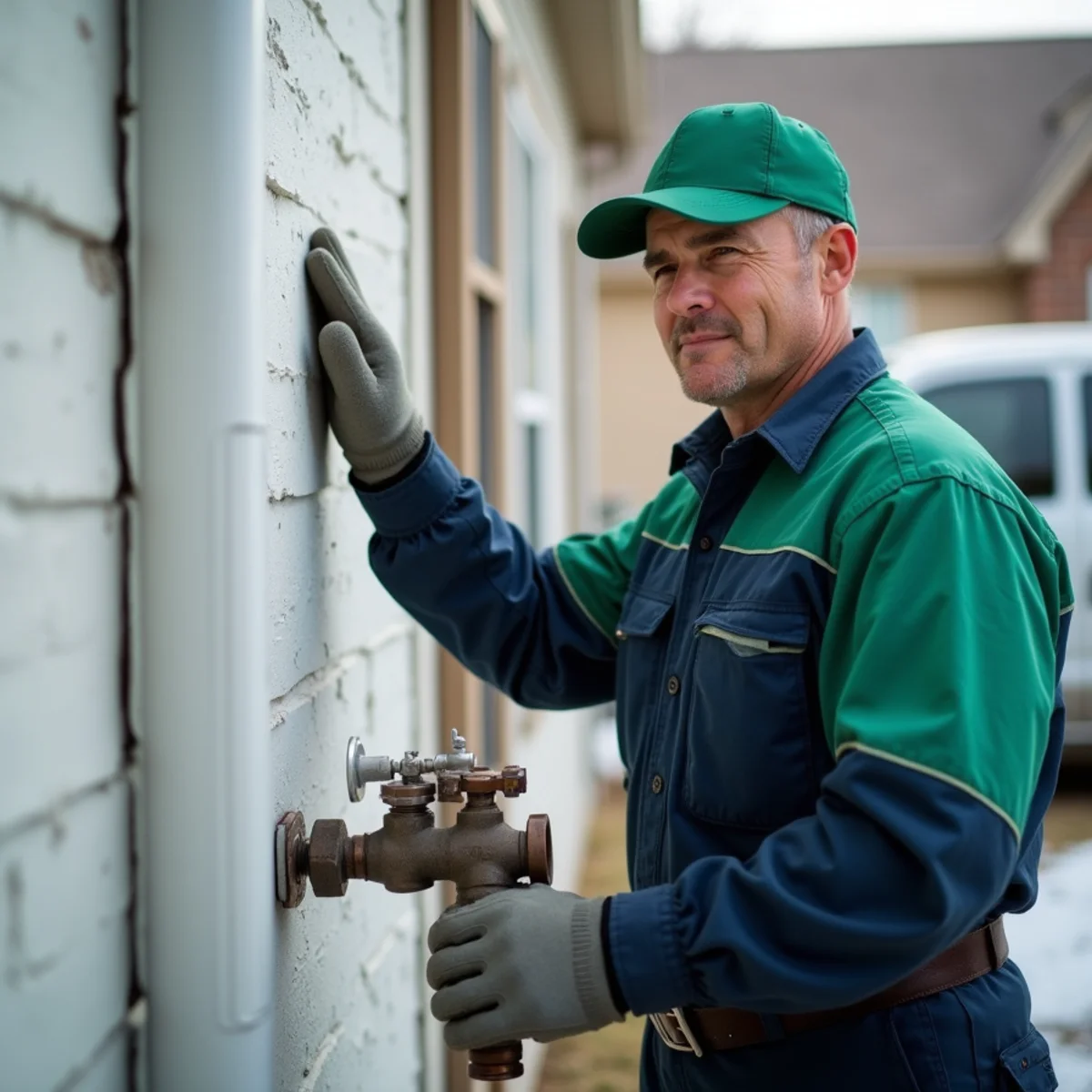
- 2Disconnect and drain garden hoses. A connected hose traps water in the hose bib, which can freeze and crack the pipe back inside the wall. Add insulated faucet covers.
- 3Find and test your main shut-off valve. Know exactly where it is and that it turns freely, so you can stop a burst fast. Our guide on locating it walks you through it.
- 4Seal drafts. Caulk gaps and seal openings where cold air reaches pipes, especially under sinks on exterior walls.
- 5Know which pipes are vulnerable. Anything uninsulated and exposed to outside temperatures is at risk.
When a hard freeze is forecast
- 1Let faucets drip. A slow trickle from faucets on exterior walls keeps water moving, which resists freezing and relieves pressure.
- 2Open cabinet doors. Let warm household air reach the pipes under sinks on exterior walls.
- 3Keep the heat on. Even when away, keep the thermostat no lower than 55°F so interior pipes stay warm.
- 4Cover outdoor and exposed plumbing. Faucet covers, towels, or insulation on any vulnerable exterior lines.
- 5Open the garage door only if needed. If water supply lines run through the garage, keeping it closed helps hold warmth.
If a pipe freezes
If a faucet won't run during a freeze, a pipe is likely frozen. Keep that faucet open — as the pipe thaws, water needs somewhere to go. Apply gentle warmth (a hair dryer, towels soaked in warm water) to the accessible frozen section, working from the faucet end back. Never use an open flame. If you cannot reach the frozen section or it has already burst, shut off the main and call us.
If a pipe bursts
Shut off the main immediately, open faucets to drain the system, and call our burst pipe repair line. Remember that many bursts happen as pipes thaw, so stay alert even after the temperature climbs. Our full step-by-step is in the post on what to do when a pipe bursts in a freeze.
Freeze bursts are the busiest emergency we handle each winter across Grand Prairie and the Mid-Cities. A weekend of prep beats a flooded home — and if the worst happens, we're on call 24/7 at (831) 290-4327.
From the Field
The Post-Uri Prep That Actually Works
After the 2021 freeze we fielded more burst-pipe calls in a week than we normally see in a season, and the homes that came through it best had done a handful of cheap, boring things ahead of time. Foam insulation on the pipes in the attic and garage, insulated caps on the outdoor faucets, and hoses disconnected so water couldn't back up and freeze in the bib. None of it is expensive or difficult; it just has to be done before the cold arrives, not during it, because once temperatures drop you're working against the clock.
The freeze-day habits matter just as much. A pencil-thin drip from faucets on exterior walls keeps water moving and relieves the pressure that actually bursts a pipe — remember, it's the pressure between the ice blockage and a closed tap that splits the metal, so giving the water an outlet is the whole point. Opening cabinet doors under sinks on outside walls lets household heat reach those pipes. And keep the house at 55°F or warmer even if you're away. Do those things and you'll likely sail through the next freeze that has your neighbors mopping.
Frequently Asked Questions
At what temperature do pipes freeze in Texas?
Pipes are at risk when temperatures drop below about 20°F for a sustained period, especially uninsulated pipes exposed to outside air in attics, garages, and exterior walls. Wind chill and duration matter as much as the low itself.
Should I drip all my faucets during a freeze?
Focus on faucets served by pipes on exterior walls and the most vulnerable lines. A slow drip keeps water moving and relieves pressure. You don't need every faucet running, but the at-risk ones make a real difference.
Should I leave my faucets dripping all winter?
No — only when a hard freeze (sustained temperatures around 20°F or below) is actually forecast. Dripping year-round wastes water for no reason. Focus the drip on faucets fed by pipes on exterior walls and other vulnerable runs during the freeze window, then shut them off once it passes.
Have a plumbing question or problem?
Our Euless plumbers answer live, 24/7.