Key Takeaways
- Pipes often burst as they thaw, not at the coldest point — stay alert after the freeze lifts.
- Shut the main, then open faucets to relieve pressure the moment you find a burst.
- Insulate attic, garage, and exterior-wall pipes before winter — that's where Mid-Cities bursts start.
- Most Texas policies cover sudden burst-pipe water damage; document before cleanup.
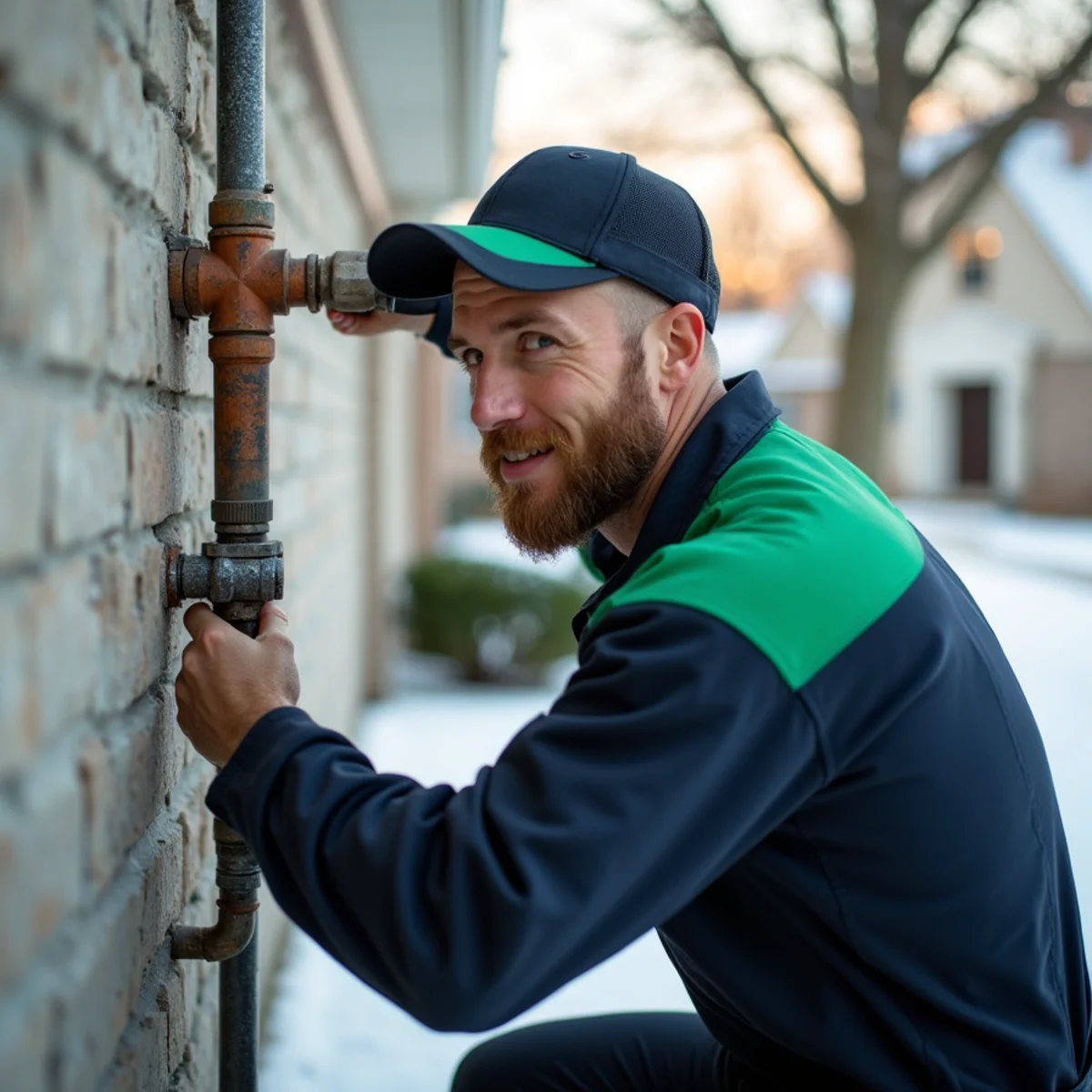
Texans remember February 2021. Winter Storm Uri froze and burst pipes across the Mid-Cities, and every hard freeze since has been a reminder that our homes are not built for sustained cold. When a pipe freezes and bursts, the clock starts the moment it thaws and water starts flowing. Here is how to control the damage.
Why pipes burst in a freeze
When water inside a pipe freezes, it expands. The pressure between the ice blockage and a closed faucet builds until the pipe wall cracks. Often the pipe holds while frozen and only bursts as it thaws and water rushes through the crack. That is why the worst flooding frequently happens after the temperature climbs back up — homeowners let their guard down just as the danger peaks.
Step 1: Shut off the main immediately
The instant you discover a burst — water spraying, a ceiling stain spreading, or no water from a tap that should work — shut off your main water valve. This stops the flooding at the source. Keep everyone clear of standing water near outlets and appliances.
Step 2: Open faucets to relieve pressure
After the main is off, open a few faucets to drain the remaining water and relieve pressure in the system. If a pipe is frozen but not yet burst, this can sometimes prevent the burst by giving the expanding ice somewhere to go.
Step 3: Locate the break and document
Find where the water is coming from — an exposed line in the garage or attic, an in-wall pipe showing as a wet patch, or an under-slab line. Photograph and video everything before cleanup for your insurance claim. Most Texas homeowners policies cover sudden burst-pipe water damage, though not always the pipe repair itself.
Step 4: Start drying within 24–48 hours
Mold can take hold within a day or two. Pull up soaked materials, run fans and dehumidifiers, and get air moving. For significant flooding, our flood and water damage cleanup crew extracts water and dries the structure properly while we repair the pipe.
Step 5: Call for professional repair
A frozen-burst pipe needs a real repair, not tape. Call our burst pipe repair line at (831) 290-4327 — we respond 24/7, locate the break whether it is exposed, in-wall, or under the slab, and complete a permanent fix. During a regional freeze event demand spikes, so call as soon as you can.
Prevent the next one
After the emergency, harden your home against the next freeze: insulate exposed pipes in the attic, garage, and exterior walls; disconnect and drain garden hoses; know where your main shut-off is; and during a hard freeze, let a faucet drip and open cabinet doors to let warm air reach the pipes under sinks. Our freeze-protection checklist covers the full routine that keeps Mid-Cities homes safe through winter.
Freeze bursts are one of the most common emergencies we handle across Tarrant County and the surrounding cities each winter. A little preparation now saves a flooded home later.
From the Field
Why Mid-Cities Homes Freeze-Burst More Than They Should
North Texas homes weren't built for sustained cold the way northern homes are. Water lines routinely run through unconditioned attics and along exterior walls with little or no insulation, because for most of the year that's fine. Then a Uri-style freeze parks below 20°F for days, the still water in those exposed runs freezes, and the expanding ice splits the pipe. We see the same vulnerable spots over and over: the attic run feeding a second-floor bath, the line to an exterior hose bib, and pipes in an uninsulated garage wall.
The fix is unglamorous but effective. Foam sleeves on the exposed runs, insulated covers on hose bibs, and a cabinet-door-open, faucet-dripping routine during a hard freeze prevent the vast majority of the bursts we're called out for. If your home has already burst once, that's data — the pipe that failed will tell you exactly which run to harden before next winter, and it's worth doing in the spring while it's easy to reach.
Frequently Asked Questions
When are frozen pipes most likely to burst?
Often as they thaw. The pipe may hold while frozen, then burst when the ice melts and water rushes through the weakened, cracked section. Stay alert during and after a freeze, not just at the coldest point.
Does insurance cover a burst pipe in Texas?
Most Texas homeowners policies cover sudden, accidental water damage from a burst pipe, though coverage of the pipe repair itself varies. Document the source and damage thoroughly before cleanup to support your claim.
How do I safely thaw a frozen pipe I can reach?
Keep the faucet it feeds open so melting water has somewhere to go, then apply gentle heat — a hair dryer or warm towels — working from the faucet end back toward the frozen section. Never use an open flame. If you can't reach the frozen run, or it has already burst, shut the main and call us.
Have a plumbing question or problem?
Our Euless plumbers answer live, 24/7.