Key Takeaways
- Cast iron was built for ~50 years — 1960s–70s Mid-Cities homes are at or past that.
- A camera inspection is the first step in any reline-vs-replace decision.
- Lining works when the host pipe is continuous; replacement is for collapses and bellies.
- Recurring backups plus odor plus soggy yard spots point to a failing lateral.
The 1960s and 1970s homes that fill Euless, Bedford, Hurst, and the rest of the Mid-Cities were plumbed with cast-iron sewer pipe. Cast iron was built to last about 50 years — and those homes have now reached or passed that mark. If you own one, the question is not whether the sewer line will need attention, but when, and whether to reline or fully replace it. Here is how to decide.
Why cast iron fails
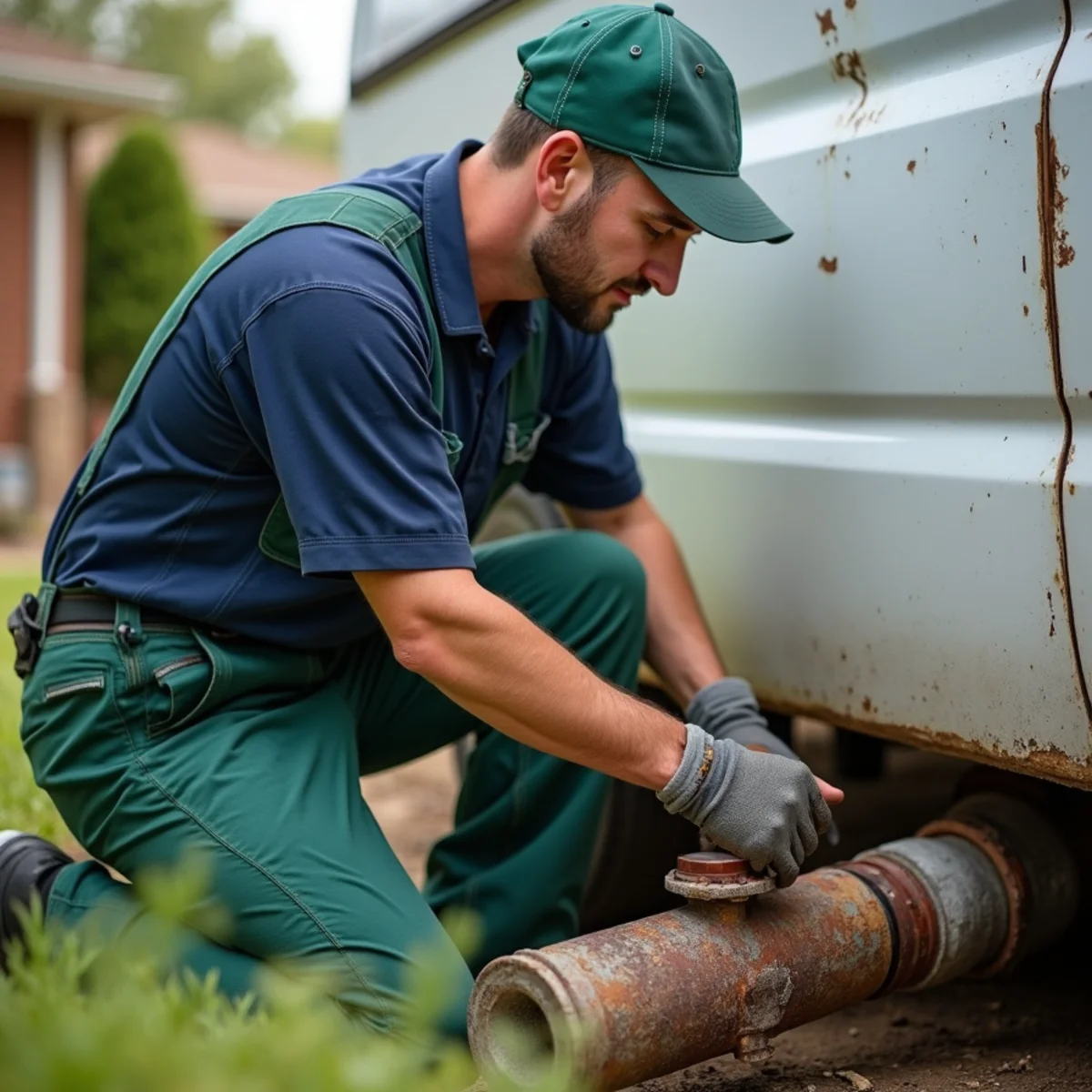
Cast iron corrodes from the inside out. Decades of wastewater rust and scale the interior, narrowing the pipe and creating rough surfaces that catch debris. Eventually the pipe wall thins, channels (wears a groove along the bottom), cracks, or collapses. Add root intrusion at aging joints and expansive-clay soil movement, and failure is a matter of time. Common symptoms include recurring backups, slow drains throughout the house, sewage odor, and soggy spots in the yard.
Step one: a camera inspection
You cannot make a smart decision without seeing inside the line. A sewer camera shows the exact condition — light surface scale, heavy channeling, cracks, bellies, or an outright collapse — and where the problems are. This is the foundation of the reline-vs-replace choice, and we record it so you see what we see.
Option 1: Trenchless pipe lining (CIPP)
Cured-in-place pipe lining inserts a resin-saturated liner into the existing pipe and cures it in place, creating a new pipe within the old one. It works through existing access points, so there is no trenching across your yard.
Lining works best when
- The host pipe is corroded or cracked but still structurally continuous
- You want to avoid tearing up landscaping, a driveway, or a slab
- The line's grade and shape are still sound
Option 2: Pipe bursting or full replacement
Pipe bursting pulls a new pipe through the path of the old one while fracturing the old pipe outward — also trenchless, but able to replace a badly degraded line. Traditional open-cut replacement digs a trench to install new pipe and is sometimes the right call for a collapsed line, a bellied section needing re-grading, or difficult access.
Replacement is the answer when
- The pipe has collapsed or lost its shape
- There's a belly (sag) that needs the line re-graded to drain properly
- The corrosion is too far gone for a liner to have a sound host pipe
So which is right for you?
It comes down to the pipe's condition, the layout, and cost. Lining is faster and less disruptive when the host pipe can support it; replacement is necessary when it cannot. We give you a written comparison with the pros, cons, and cost of each after the camera inspection — our sewer line repair and replacement service handles all three methods and pulls the City permits. For the cleanup side of a backup, our sewer backup cleanup service is here too.
Homes in Richland Hills and Haltom City are right in the heart of this cast-iron era. If yours is acting up, call (831) 290-4327 for a camera diagnosis and honest options.
From the Field
Reline or Replace — How We Actually Decide
The reline-versus-replace call comes down entirely to what the camera shows, and the deciding factor is whether the old pipe still has a continuous, sound shape to work with. If a cast-iron line is corroded and rough but still structurally continuous — no collapse, no major belly — cured-in-place lining slips a new pipe inside the old one through existing access points, and you avoid trenching the yard entirely. That's the ideal case: fast, clean, and decades of new life without tearing up landscaping or a driveway.
Replacement takes over when the pipe has lost its shape. A section that's collapsed, or a belly where the line sags and holds waste, can't just be lined — a liner would faithfully reproduce the sag. Those need the bad run dug up and re-laid to proper grade, or pulled and replaced by pipe bursting where access allows. We've had homeowners hope for a liner on a line that a camera showed was beyond it, and putting a liner in there would have been selling them a fix that wouldn't hold. Seeing the footage yourself makes the right call obvious.
Frequently Asked Questions
How long does cast-iron sewer pipe last?
Cast iron was designed for roughly a 50-year lifespan. Homes built in the 1960s–70s have reached or passed that, which is why sewer failures are common in Mid-Cities neighborhoods of that era.
Is trenchless lining always cheaper than replacement?
Not always, but it's usually less disruptive because it avoids trenching. Lining requires a structurally continuous host pipe; a collapsed or badly bellied line needs replacement instead. A camera inspection determines which applies.
Can I just keep snaking my old cast-iron line instead of replacing it?
You can for a while, but on a corroded cast-iron line snaking becomes a recurring cost that never addresses the cause — the rough, scaled, or cracked interior that keeps catching waste. At some point the money spent on repeat clearings exceeds a permanent lining or replacement, and a collapse can force the decision on you at the worst possible time.
Have a plumbing question or problem?
Our Euless plumbers answer live, 24/7.